






Earth: Cook & chop your way to wellness
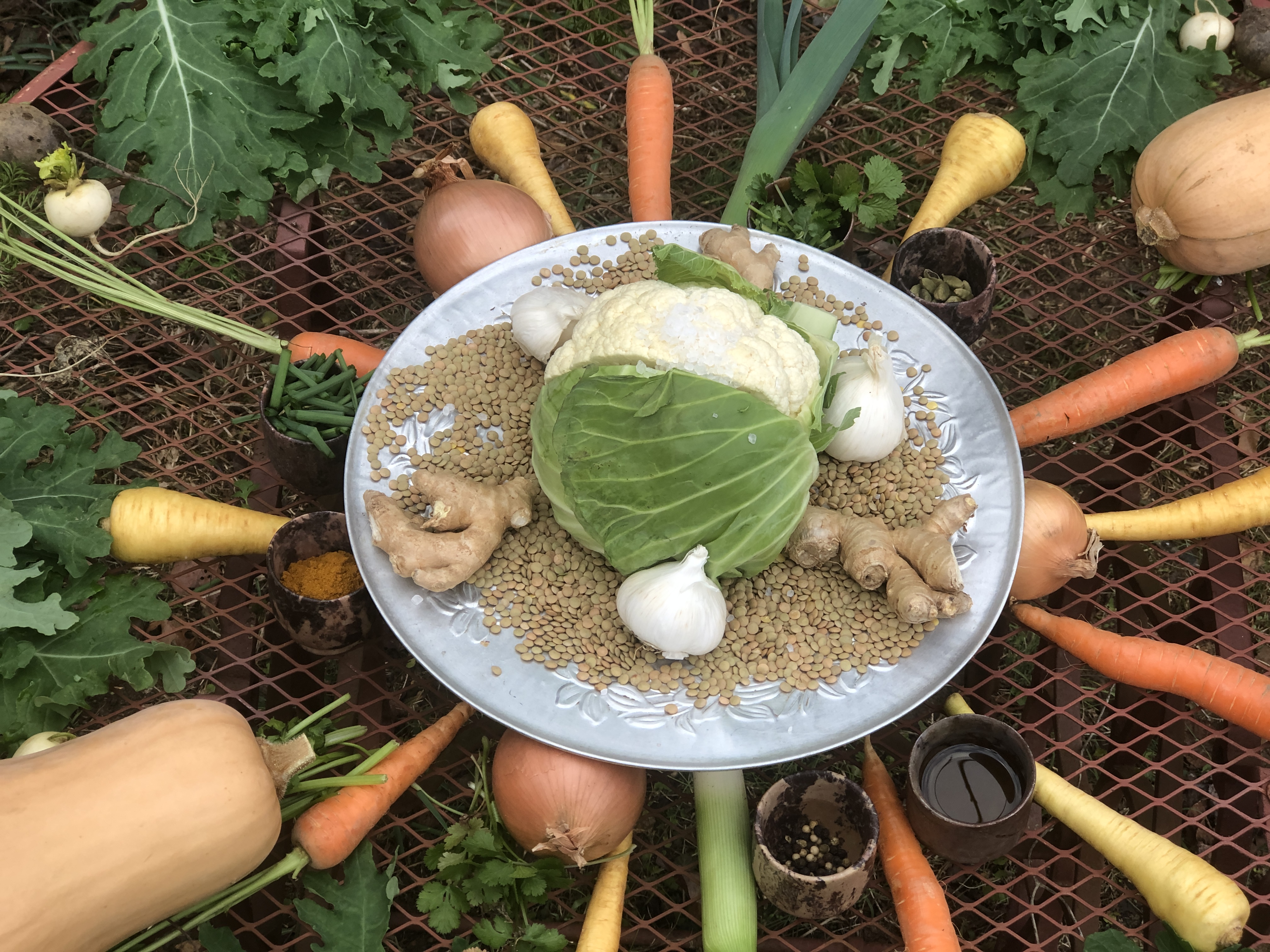
Food comes from the Earth. Processed food is not food. If it did not grow in the dirt or on a bush, vine, tree or graze on the earth, it’s not food.
Whole food is medicine. Processed food steals your vitality. Ultra processed food creates chronic disease, offers pharmacy and invites slow death.
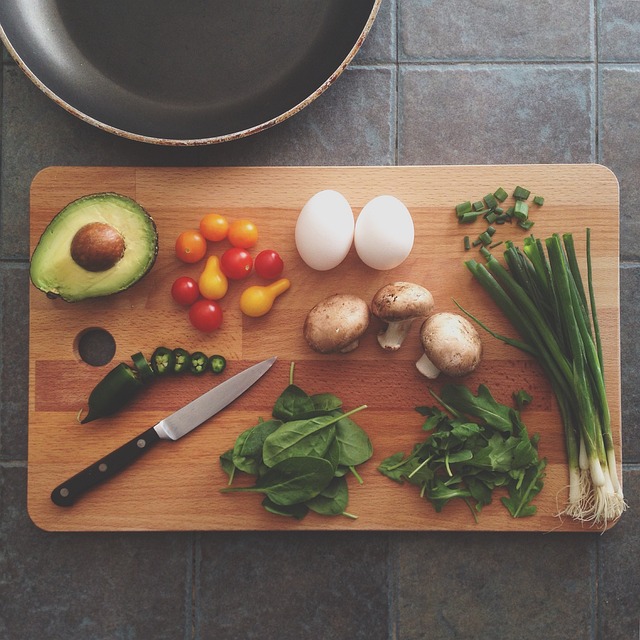
One of the top three outcomes of the lockdowns of 2020/2021, in my opinion, was the return to or beginning of cooking at home. We can choose better quality products than most restaurants are able to provide on small margins. We are, therefore, improving our economic health while improving our physical health.
Let food be thy medicine, let medicine be thy food.
~Hippocrates
The Basics: Where? When? How?
Where? Where we acquire our food matters. Ideally, we hunt and gather or eat from a garden – our own garden or from our local farmer’s or brick and mortar vegetable markets. When we shop at a conventional grocery store, shop the perimeter.
In an ideal world, our foods are free from harmful chemicals, pesticides and pharmaceuticals (antibiotics, antifungals, growth hormone). Animal (and animal fats) are raised in their natural environments. Soils are replete with the broad spectrum of minerals and micro-organisms that render our foods nutritious.
When? Foods should be consumed or preserved in seasonal time. In a world which offers food from all corners of the county during all seasons – choose seasonal and buy local. The choices in your neighborhood may not be perfect, or we may not be able to allocate our resources to only organic and farm raised products. But we can educate & inform ourselves of the best options available today. Consume or process the foods for later consumption as soon after acquisition as possible.
How? Make the best choices possible. I hope this link will help you make the best choices available to you. This list from the Environmental Working Group is updated yearly: Dirty Dozen & Clean Fifteen
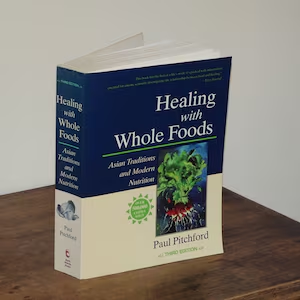
One of my favorite resource books is Healing with Whole Foods written by Paul Pitchford. Learn more here: